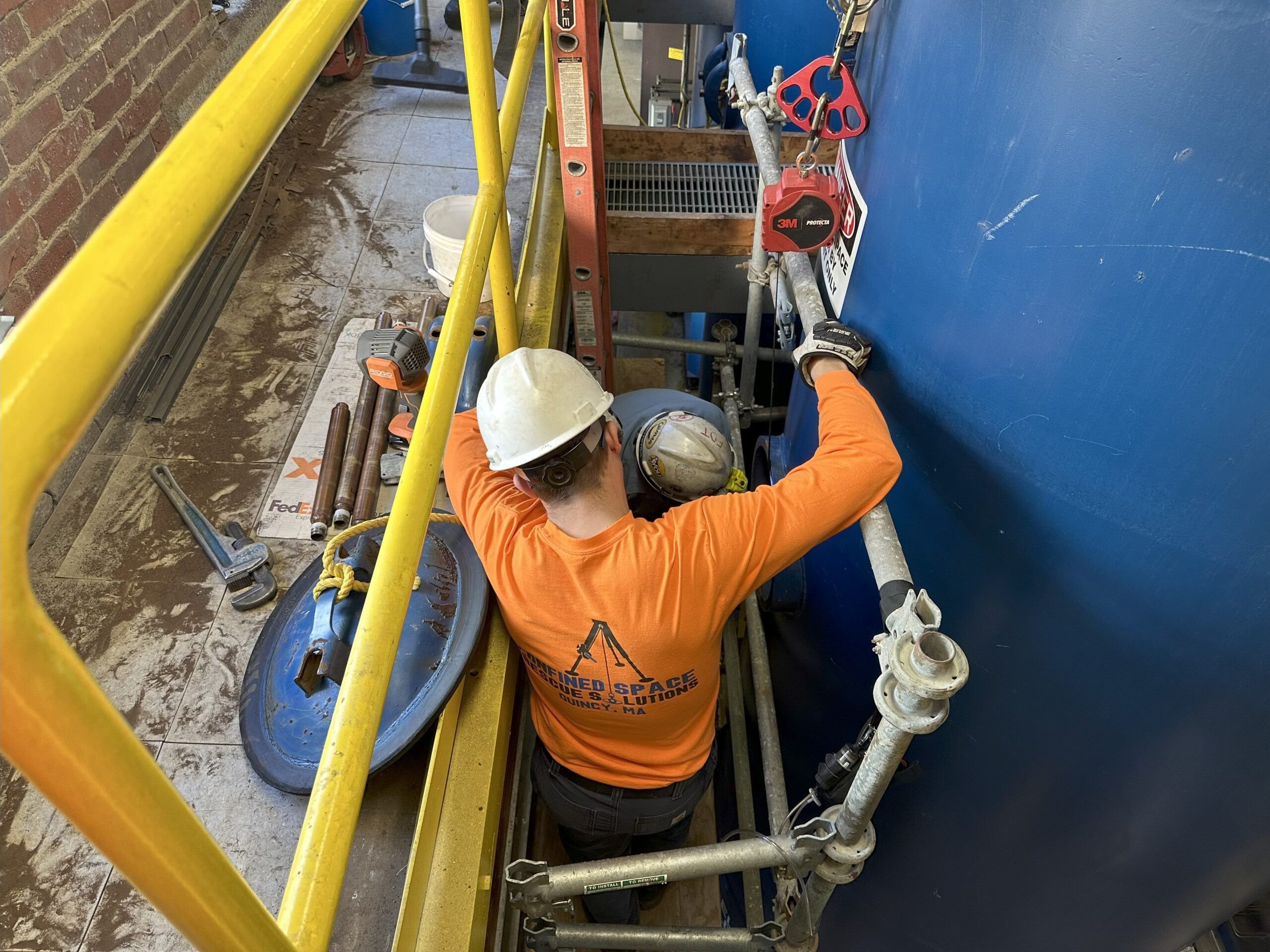
Let’s clear the air (literally).
Under OSHA 29 CFR 1910.146, a confined space is an area that:
is large enough for a worker to enter
has limited or restricted entry/exit
is not designed for continuous occupancy
Think tanks, silos, vaults, pits, crawl spaces.
Non-Permit Required Confined Space
A non-permit confined space does not contain (and does not have the potential to contain) serious hazards.
No hazardous atmosphere.
No engulfment risk.
No configuration that could trap or asphyxiate.
No other serious safety hazard.
Sounds simple. But here’s the catch: the moment conditions change (welding fumes, cleaning chemicals, shifting materials) that space can become permit-required.
In other words: today’s “no big deal” can become tomorrow’s OSHA citation.
Permit-Required Confined Space (PRCS)
A permit-required confined space does contain one or more of the following:
Hazardous atmosphere (oxygen deficiency, toxic gas, flammable vapors)
Potential for engulfment (grain, sand, liquids)
Internal configuration that could trap or asphyxiate
Any other recognized serious hazard
This is where OSHA requires:
-A written permit program
-Atmospheric testing
-Trained attendants
-Entry supervisors
-Rescue planning (non-negotiable)
And here’s the uncomfortable truth: OSHA doesn’t just want you to have a rescue plan. They expect it to work.
Why This Matters (Beyond Avoiding Fines)
Yes, OSHA fines are expensive.
Yes, inspections are stressful.
But the real cost of misclassifying a confined space isn’t financial, it’s human.
Most confined space fatalities involve would-be rescuers. Untrained coworkers trying to help that had good intentions without a plan. That’s why professional confined space rescue services and properly trained entry teams aren’t “nice to have.” They’re essential.
Common Mistakes We See in Confined Space Programs
-Treating non-permit spaces as permanently safe
-Skipping atmospheric testing because “we’ve done this before”
-Having a rescue plan that’s just a phone number on paper, 911.
-Assuming local fire departments are automatically compliant rescue providers.
OSHA requires that rescue teams be properly equipped, trained, and capable of responding in a timely manner. That means documented proficiency, not just availability.
The Smart Approach to Confined Space Safety
A strong confined space safety program includes:
* Accurate space classification
* Hazard assessment and air monitoring
* OSHA-compliant entry permits
* On-site or pre-arranged rescue services
* Ongoing training and drills
Confined space rescue isn’t about reacting when something goes wrong. It’s about engineering the “wrong” out of the situation before entry begins.
Confined Space Rescue Solutions
Permit vs. non-permit confined spaces isn’t a paperwork classification, it’s a life-and-death determination governed by OSHA standards. If your facility has tanks, pits, vaults, silos, or underground utilities, this applies to you.
The safest companies don’t gamble on classification. They build compliant confined space programs, partner with trained rescue professionals, and treat every entry like it matters, because it does.
Confined spaces don’t forgive shortcuts.
Good planning? That saves lives.
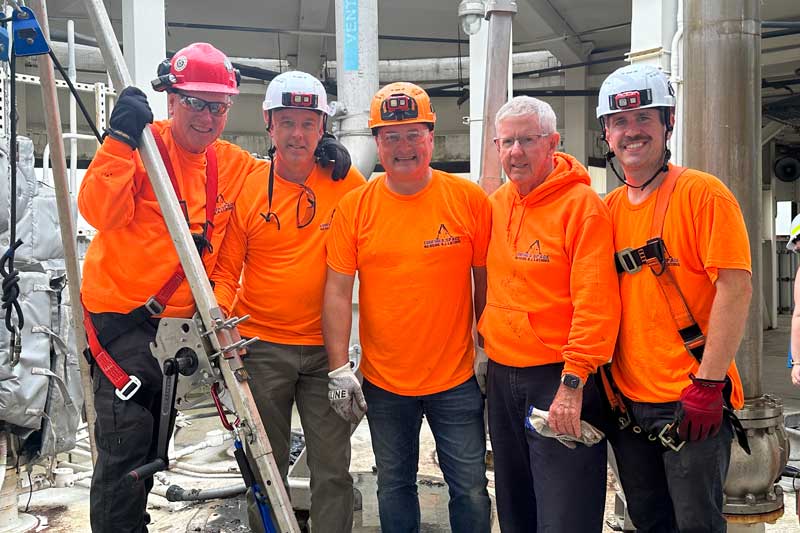
 Confined Space Rescue Solutions, based in Quincy, MA, offers expert standby rescue and training services for employers with confined space entry needs. Serving clients across New England, the company specializes in ensuring the safety and compliance of workers in hazardous environments through professional rescue teams and tailored training programs.